

If you live with endometriosis, adenomyosis, bowel/bladder pain, pelvic pain, or chronic debilitating illness, you probably know the feeling. You meet another woman walking a road that feels painfully familiar.
She mentions the symptoms. The surgeries. The pain. The exhaustion. The appointments. The feeling of not being heard.
And instantly, your heart aches for her.
Because you know.
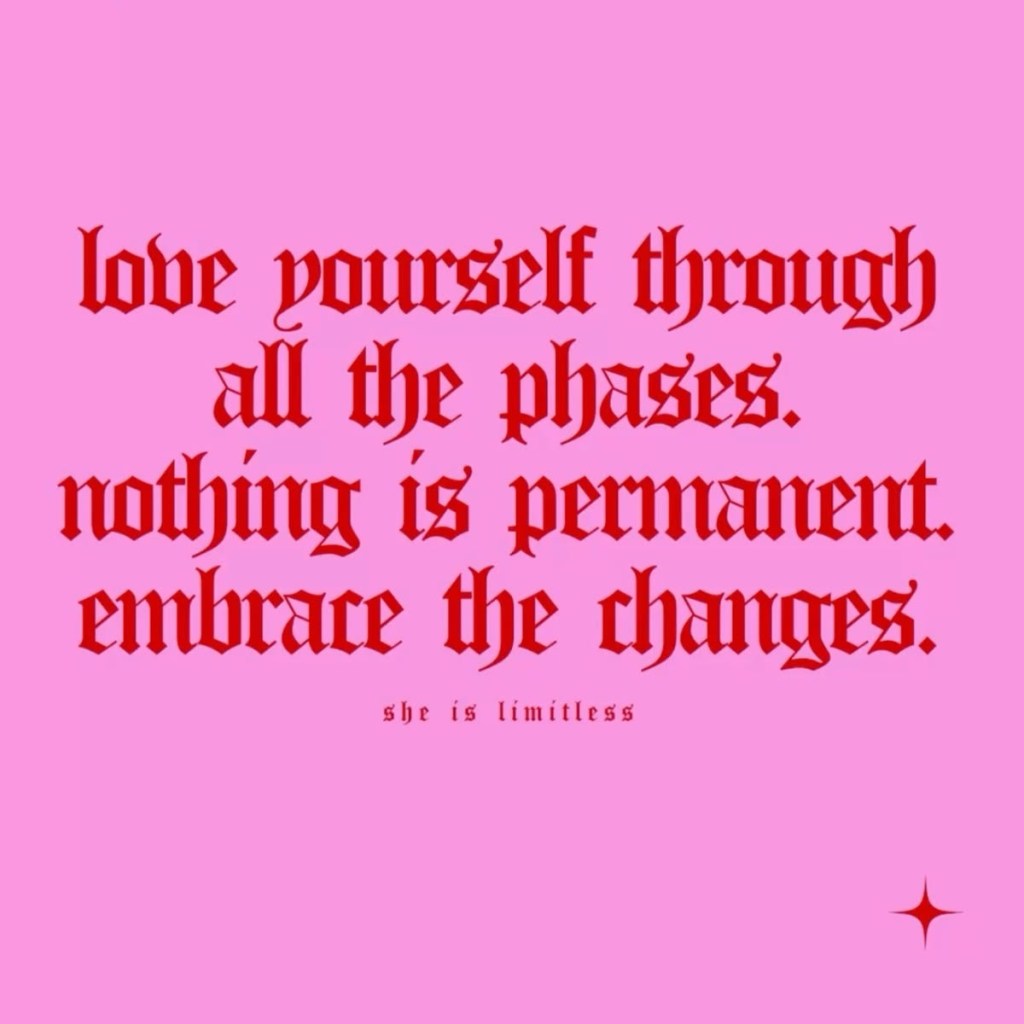
You know the tears cried alone. The nights spent curled up with heat packs wishing away pain and inflammation. The frustration of being dismissed/gaslit medically. The way pain can slowly steal pieces of your life and strip you of coping mechanism’s and much more.
So naturally, you want to help.
You want to tell her what worked for you. Recommend specialist’s or a good doctor. Share the surgery that helped. Suggest the medication, the pelvic physio, the support group, the tricks that got you through your worst flares and how you understand from experience how tough it is to find a good medical professional or specialist and try to make it easier for her.
Not because you think you know everything. But because you remember what it felt like to feel lost or unheard in its entirety.
And sometimes… she doesn’t want the advice.
Sometimes she changes the subject.
Sometimes she silently shuts down.
Sometimes she says, “I’m fine.”
Sometimes just ignores the subject around you.
Sometimes she continues doing things you know might not help.
And if you’re someone who deeply cares, that can feel hard.
You may even think:
“Why don’t they want help?”
“I’m only trying to support them.”
“I wish someone had told me these things sooner.”
But here is something important I’ve learned:
Not everyone is in the same stage of their journey or in a space where they want to be helped (even if it would make things easier from your lived experience).
Living with chronic pelvic pain conditions comes with grief.
Grief for your body.
Grief for your old self.
Grief for what has changed.
Grief for things you may have lost.
Grief of old coping mechanism’s lost to chronic pain.

And everyone processes that differently.
Some women are still in survival mode.
Some are overwhelmed.
Some are burnt out from doctors.
Some are scared of hearing another hard truth.
Some are exhausted by advice because they have already tried everything.
And some simply are not ready and are in a stage of exploration of their own which is deeply personal.
Advice can feel heavy when someone is already drowning, with life always moving forward around them, children, partners, support systems (maybe falling apart or they are piecing things together).
Even well-meaning advice can feel overwhelming when someone is physically and emotionally exhausted or in the process of things themselves.
Sometimes hearing:
“You should try this doctor.”
“You need surgery.”
“Have you done pelvic physio?”
Can unintentionally feel like pressure. Or another reminder that they’re struggling which can feel raw, like exposing a weakness. Or another thing they now have to research, afford, organise, and emotionally process.
Especially when they’re already barely coping with chronic illness it’s not always straightforward.
Sometimes what people need most is not fixing it’s feeling understood.
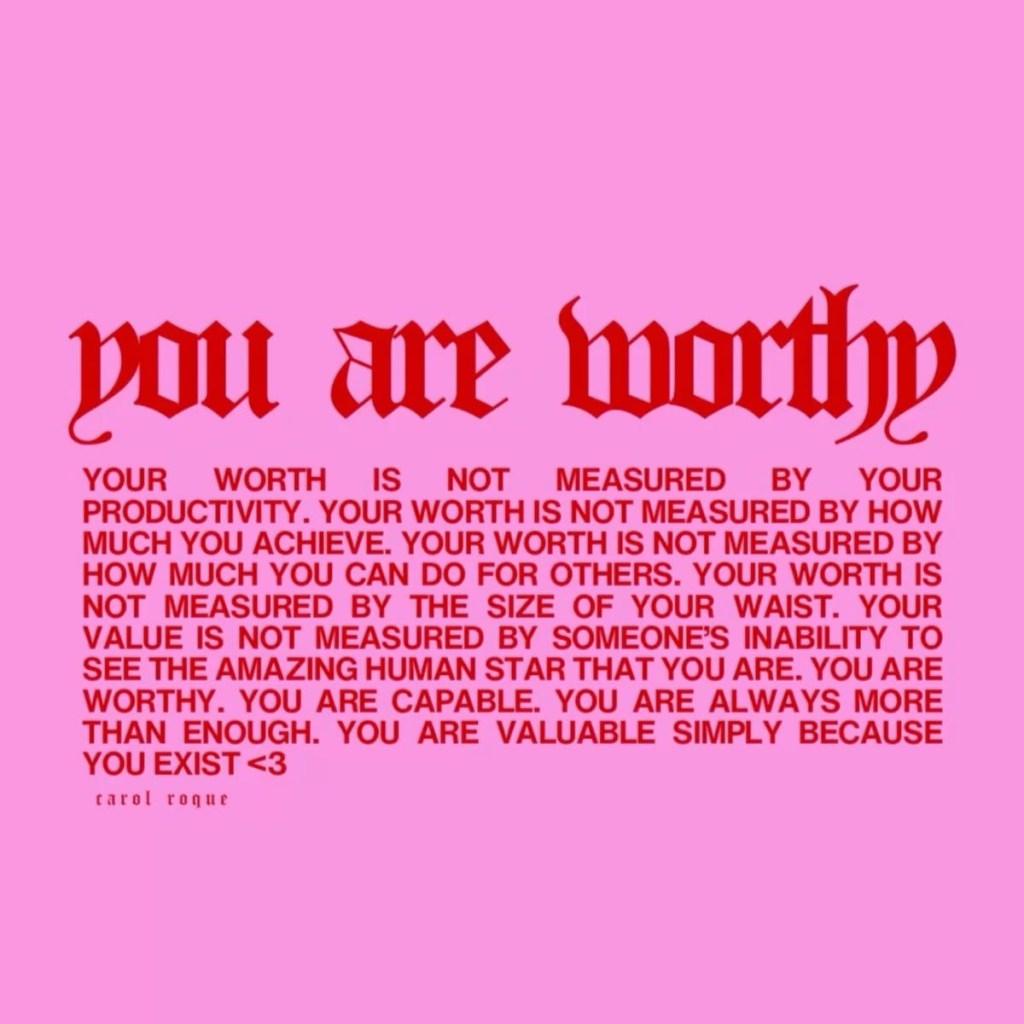
There is something incredibly healing about hearing:
“That sounds really hard.”
“I believe you.”
“You don’t have to explain your pain to me.”
“I’m here if you ever want to talk.”
Because support and advice are not always the same thing. Sometimes support looks like listening. Sometimes support looks like sitting beside someone in their hard season without trying to rescue them from it.
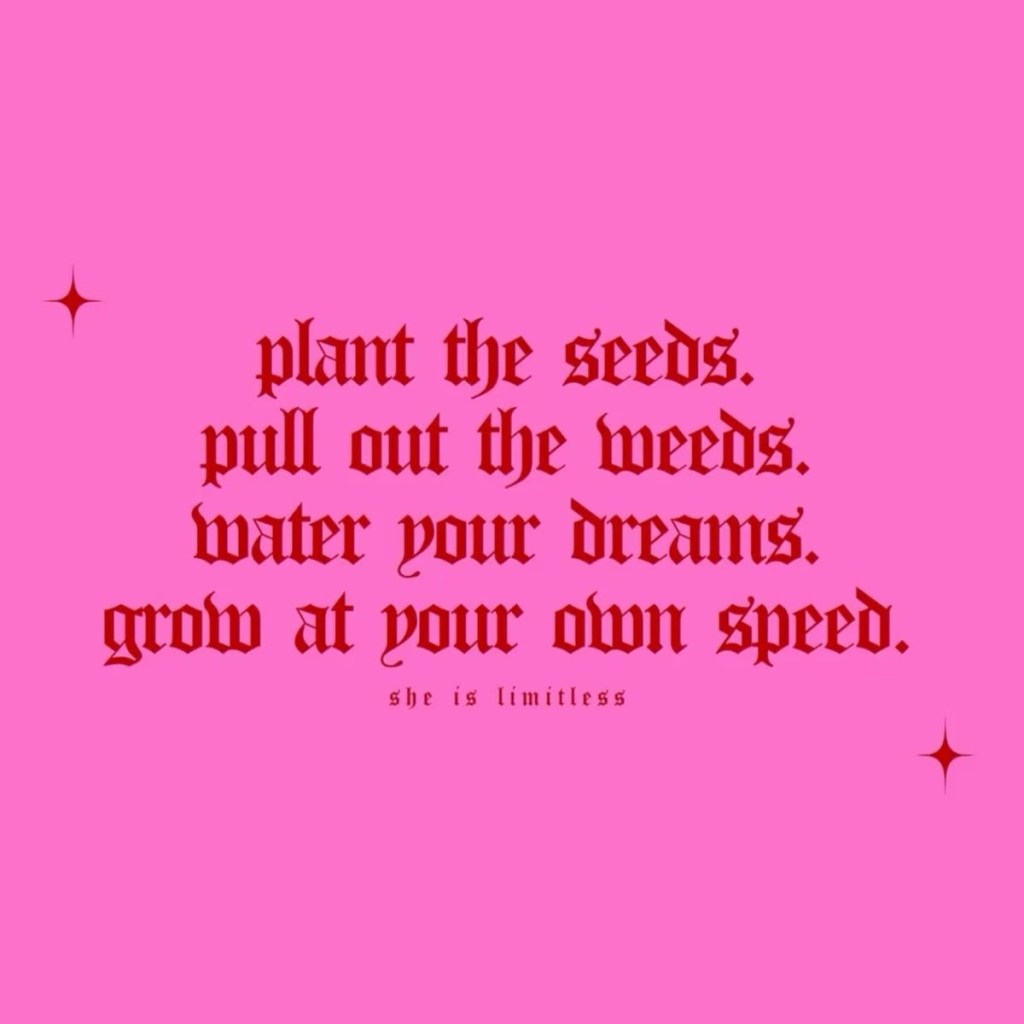
And sometimes the greatest gift we can give another woman with chronic illness is simply this:
No judgement. No pressure. Just understanding. Just open ears and listening.
It’s okay to care deeply and still step back.
If you’re someone who wants to help
Please don’t stop caring, this world needs compassionate women who want to lift others up and empower them.
But there is a gentle difference between offering support and carrying responsibility for someone else’s healing when you are also healing with what you are going through.
You can open the door to them, You can say “If you ever want recommendations or someone who understands, I’m here.” Then let them choose when or if they want to walk through it.
Because healing journeys are deeply personal and sometimes people don’t reject you. They’re simply doing their best to survive in the stage they’re in.
So if another woman with endometriosis, adenomyosis, or chronic illness or pelvic pain isn’t ready for your advice…
Keep your kindness.
Keep your compassion.
Keep yourself open to support and empower other woman.

And remind yourself:
Being supportive doesn’t always mean being the fixer. Sometimes it means being the safe place.
Empowering vs Rescuing
A Lesson I’m Still Learning
When you live with endometriosis, adenomyosis, or chronic illness/pelvic pain conditions, you know suffering in a way many people never will.
So when you see another woman hurting, the instinct to jump in and help can be incredibly strong.
You want to save her time.
Save her pain.
Save her from feeling alone.
And that comes from a beautiful place.
But something I’m learning is the difference between empowering someone and rescuing them.
Rescuing sounds like:
“You need to do this.”
“Here’s what worked for me you should try it.”
Taking responsibility for fixing someone else’s pain, It often comes from love, but sometimes it can unintentionally take away someone’s ability to move through their own journey in their own time.

Empowering sounds more like:
“I’m here if you want support.”
“Would you like me to share what helped me?”
“You know your body best.”
Empowering means walking beside someone, not dragging them toward healing before they are ready.
It means believing in their ability to make decisions for themselves even if those decisions look different to what we would choose.
Because the truth is:
You cannot heal for someone else.
You cannot force readiness.
And you cannot carry another woman’s chronic illness journey on your shoulders.
But you can be the person who listens.
The person who believes them.
The person who gently holds hope when they can’t see it yet.
Sometimes the most powerful support is not rescuing someone from their storm, but empowering them on their journey.
It’s about standing beside them being available and reminding them they don’t have to weather it alone.
Cassie x

