
Social media can be a beautiful thing when you live with chronic illness.
For many women living with endometriosis, adenomyosis, chronic pelvic pain, bladder pain, nerve pain, infertility struggles, or invisible illness, social media becomes more than scrolling.
It becomes connection and community a platform for support and empowering others growth and your own.
A place where someone finally understands why you cancel plans.
Why you’re exhausted all the time.
Why heat packs feel like survival.
Why pain can steal joy from even the simplest moments.
For many of us, online spaces become lifelines.
Because when the real world doesn’t understand your pain, finding another woman online saying, “Me too” can feel like exhaling after holding your breath for years.
But something important I’ve been reflecting on lately is this:
How do we support each other online without trying to rescue each other?
Because there is a difference.
And understanding that difference can make social media a safer, more empowering place for women living with chronic pelvic conditions.
The urge to help comes from a loving place
When you have lived through chronic pain, it changes you.
You know what it feels like to desperately search for answers at all hours of the day and night.
To feel dismissed, to wonder if anyone truly understands.
So when someone posts:
“I can’t do this anymore.”
“Doctors aren’t listening.”
“My pain is ruining my life.”
It makes sense that your first instinct is to jump in. You want to share the surgeon who helped you.
The medication that gave relief.
The pelvic physiotherapist.
The specialist.
The supplement.
The surgery.
The thing you wish someone had told you sooner. Because if it helped you, maybe it could help them, that care? That compassion? That matters.
But sometimes support can quietly shift into something else. The line between helping and rescuing.
Rescuing often sounds like:
“You NEED to see this specialist.”
“Trust me, surgery is your answer.”
“Don’t do what your doctor says do this instead.”
“I know what you should do.”
It often comes from deep empathy, but rescuing can unintentionally send a message:
“I know what’s best for your journey.”
The reality is chronic pelvic conditions are incredibly individually personal and complex.
What works for one woman may not work for another. What feels right for one person may feel terrifying or be inaccessible for someone else in another country or state.
Some women are newly diagnosed.
Some are grieving.
Some are traumatised by medical experiences.
Some are financially unable to access certain care.
Some are emotionally exhausted and not ready to take another step yet.
And sometimes, people simply need space to process.
Empowering looks different:
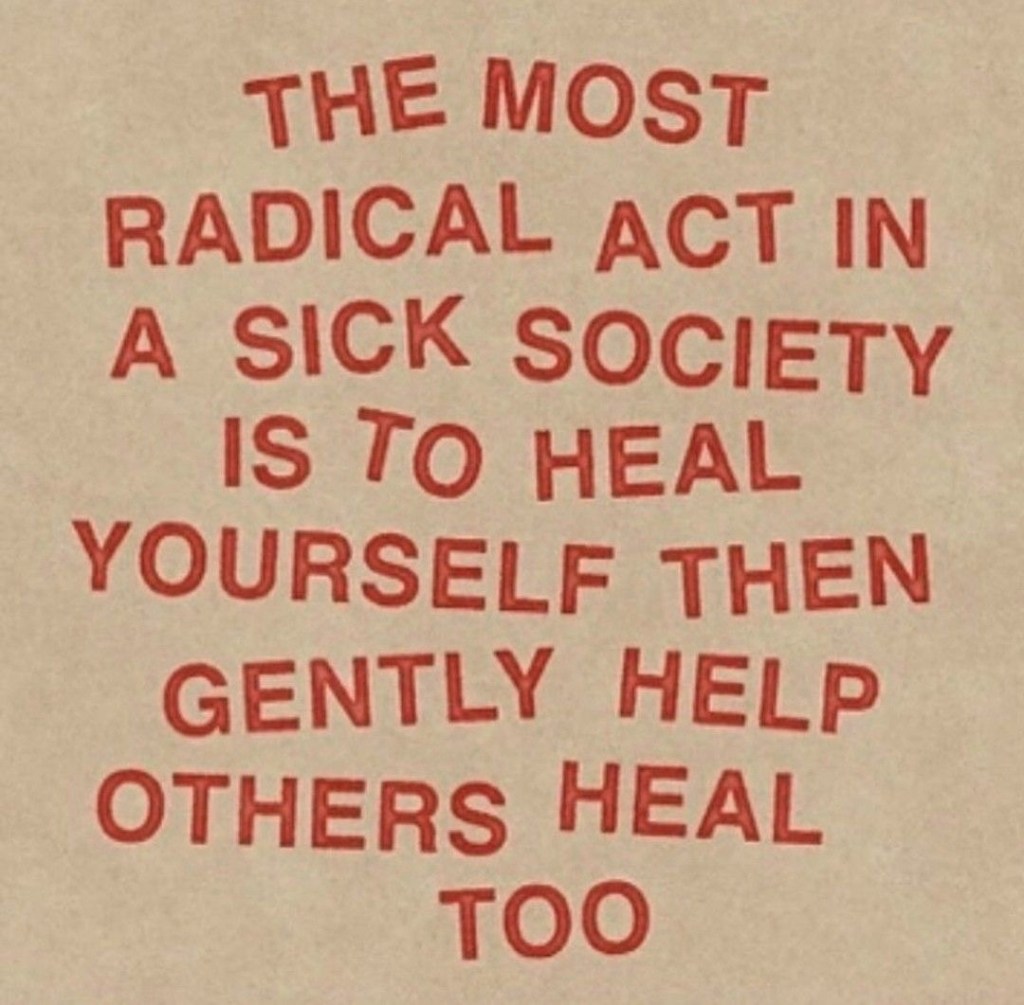
Empowering someone means walking beside them instead of trying to pull them forward.
It means supporting without taking over.
Guiding without pushing.
Listening without assuming.
Empowering on social media might sound like:
“I’m so sorry you’re going through this.”
“You deserve to be heard.”
“Would you like me to share what helped me?”
“Everyone’s journey is different, but this was my experience.”
“You know your body best.”
“You are so amazing pushing through with the strength you have to push through your pain”
Notice the difference?
Empowerment gives people choice.
It creates safety instead of pressure. It reminds someone they are still the expert of their own body even when they feel completely lost.
Social media can overwhelm people already struggling sadly, when you see a woman with chronic conditions working out when you physically cant or when you see a beautiful social media influencer with a chronic condition look fabulous when your sitting in in your pjs barely able to get up with crippling pain.
When someone is in severe pain or emotionally depleted, even helpful advice can feel overwhelming.
Sometimes a post asking for support gets flooded with:
Surgery recommendations
Medication opinions
Horror stories
Conflicting medical advice
“You should” statements
And suddenly, instead of feeling supported, the person feels flooded.
More scared.
More confused.
More alone.
Sometimes what someone truly needs is not solutions.
Sometimes they need:
“I hear you.”
“That sounds incredibly hard.”
“You are not weak for struggling.”
“You don’t have to explain yourself here.”
Validation can be incredibly healing.
Especially for women who have spent years being dismissed. Sharing your experience without making it the blueprint.
Lived experience matters.
Your story matters.
What helped you matters.
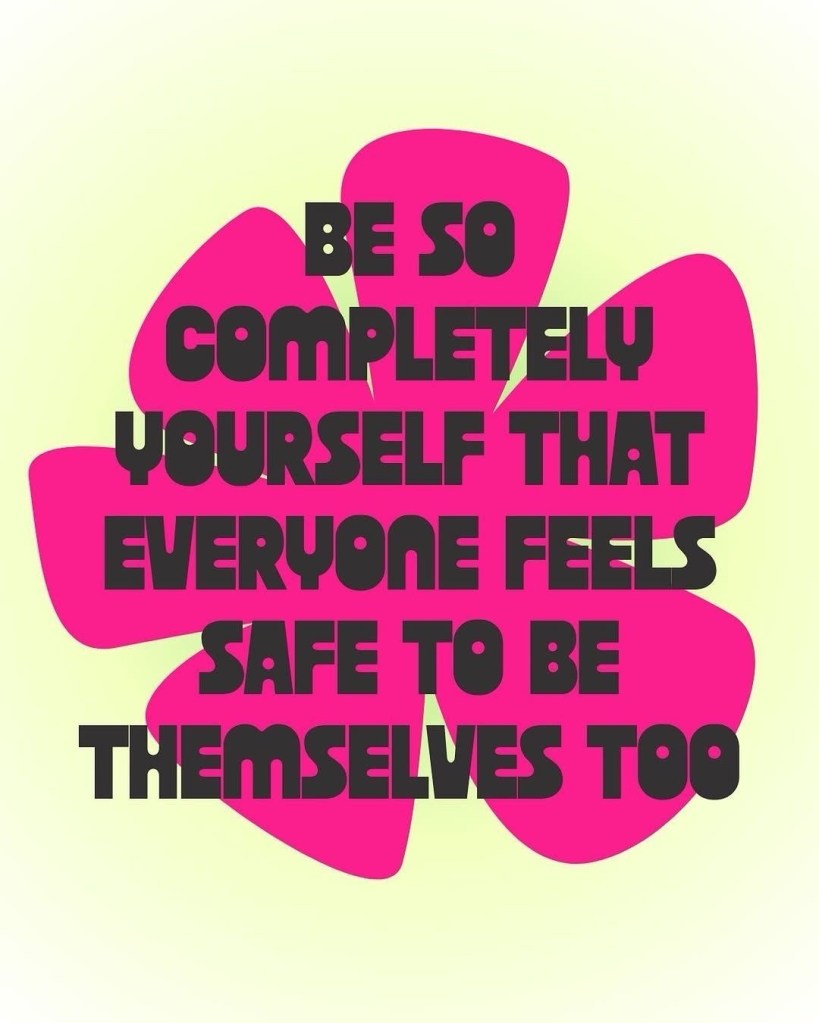
But one of the most empowering things we can say online is:
“This helped me, but everyone is different.”
Because social media should be a place of shared wisdom, not pressure.
There is power in offering information gently.
There is power in saying “If you want recommendations, my inbox is open.” Instead of assuming someone wants fixing.
Ask before advising
One of the simplest but most powerful shifts we can make online is asking permission. Instead of immediately giving advice, try “Would it help if I shared what worked for me?” That small question gives someone control.
And for many women with chronic illness and pain who often feel powerless in medical systems control matters. You don’t have to save people to make a difference, this one can be hard especially if you are deeply empathetic. Especially if you remember how alone you felt.
But here is something worth remembering:
You are not responsible for rescuing every hurting woman you meet online.
You cannot carry everyone.
You cannot heal everyone.
You cannot force readiness.
And trying to save everyone can quietly lead to burnout especially when you are managing your own pain too. But you can still make a profound difference.
You can be:
The woman who listens.
The woman who believes.
The woman who encourages.
The woman who shares hope gently.
The woman who says:
“You’re not alone.”
And sometimes?
That is far more powerful than advice, creating safer online spaces for women in pain. Imagine if social media spaces for endometriosis, adenomyosis, and chronic illness/pelvic pain felt less like pressure and more like community.
Less comparison.
Less fear.
Less unsolicited fixing.
And more:
Compassion.
Listening.
Gentle support.
Empowerment.
Because women living with chronic illness/pelvic pain conditions don’t just need advice. They need spaces where they feel safe enough to find their own strength again. Empowering someone isn’t about leading them toward the answers.
Maybe sometimes…
It’s about sitting beside them long enough for them to feel strong enough to find their own footing in their journey and on social media.
Cassie x

