

The heartbreak of trying, losing, hoping and wondering why I spent time in this state for years without even knowing my very painful periods and early pregnancy loss was related to Adenomyosis.
There is a type of grief that lives with you everyday, wondering why we lose our pregnancy’s during what should be a celebrated and exciting time.
The grief of pregnancy loss.
The grief of infertility.
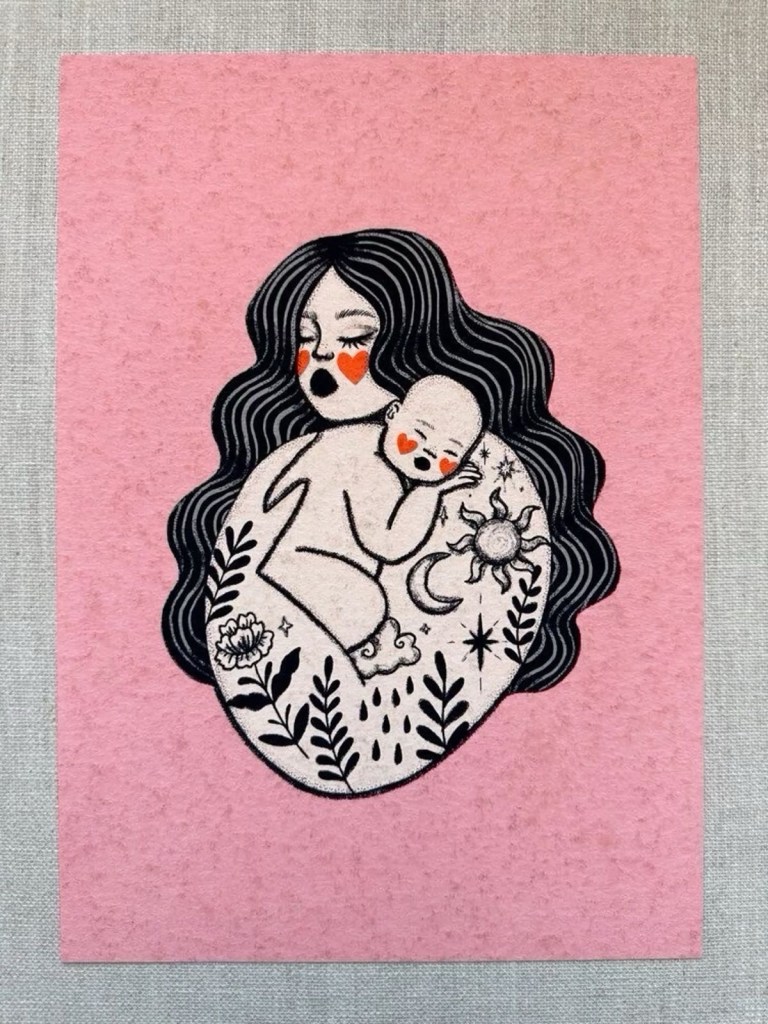
The grief of wondering if your body is fighting against the very thing you long for most.
I had no knowledge of my undiagnosed Adenomyosis till after losing three pregnancy’s and the severe pain I was having when I had my last and third living child. Until my first diagnostic laparoscopic surgery seven months after giving birth.
For many women living with endometriosis and adenomyosis, the journey to motherhood can be far more complex than anyone realises.
I know this because before I was diagnosed with adenomyosis, I already had it. By the time I was diagnosed with endometriosis it was within a year of my hysterectomy to remove Adenomyosis.
Looking back now, things make more sense than they did then sadly.
Before conceiving my third child, I experienced three miscarriages. At the time, I didn’t have answers. I didn’t understand what was happening inside my body. I didn’t yet know that adenomyosis could impact fertility, implantation and pregnancy outcomes.
I had two loses at seven weeks and one loss (blighted ovium) that went on for 12/13 weeks the baby passed earlier into the first trimester and then the by product remained for so long and my body continued to act pregnant. Please refer to my blog post regarding this.
And while I feel incredibly lucky and grateful to have gone on to have my third child, I still carry the grief of the babies I lost its hurtful and I grieve.
Because loss and gratitude can exist together. You can love the children you have while grieving the pregnancies lost.
The Invisible Side of Adenomyosis
Many people hear about Adenomyosis and think only of painful periods. But it caused clotting, 10/10 pain, severe bloat and inflammation. My doctors dismissed it as bad periods without giving me an MRI or ultra sound till after my third pregnancy.
But what often gets left out of the conversation is fertility, miscarriage, and the emotional toll these conditions can carry.
Endometriosis is a condition where tissue similar to the lining of the uterus grows outside the uterus—sometimes on the ovaries, bowel, bladder, pelvic nerves and surrounding organs.
Adenomyosis happens when tissue similar to the uterine lining grows into the muscle wall of the uterus itself. This can create inflammation, pain, heavy bleeding and changes to the uterine environment. Adenomyosis and endometriosis commonly occur together.
For some women, fertility isn’t affected at all.
For others, conceiving can take longer, pregnancies may not implant easily, or recurrent loss becomes part of the story. The hard truth is that every body is different.
How Can Endometriosis Affect Fertility?
Endometriosis can contribute to infertility in multiple ways.
Inflammation in the pelvis
Endometriosis is considered an inflammatory condition. Ongoing inflammation may interfere with ovulation, egg quality, fertilisation and implantation.
Scar tissue and adhesions
Endometriosis can create scar tissue (adhesions), which may affect the ovaries, fallopian tubes and pelvic organs. In some women, this can make it harder for the egg and sperm to meet naturally.
Hormonal and immune system changes
Research suggests endometriosis may alter hormone signalling and immune responses in ways that affect implantation or early pregnancy.
How Can Adenomyosis Affect Fertility and Pregnancy?
Adenomyosis is only now receiving more attention in fertility conversations.
For years, many women were told it only caused painful periods and heavy bleeding.
But newer research suggests adenomyosis may contribute to infertility and may be associated with a higher risk of miscarriage in some women. It may also increase risks for pregnancy complications such as preterm birth or babies measuring small for gestational age.
Some possible reasons include:
Changes to the uterus
Because adenomyosis affects the muscle wall of the uterus, it may alter the environment where an embryo implants and grows. Some researchers believe this can make implantation more difficult.
Increased inflammation
Like endometriosis, adenomyosis is linked to inflammation, which may affect fertility and early pregnancy.
Uterine contractions
Some studies suggest adenomyosis may affect normal uterine contractions, which could potentially interfere with implantation or embryo development.
The Hardest Part: The “Why?”
One of the hardest things after miscarriage is not knowing why.
Was it genetics?
Hormones?
Bad luck?
Was my body trying to tell me something?
When I look back on my own story now, I now know adenomyosis had already been there long before I had a diagnosis.
And that is one of the cruelest parts of pregnancy loss.
Sometimes there is no clear answer.
Sometimes we connect dots years later.
Sometimes we carry questions that never fully leave us.
If You’re Walking This Road
If you have experienced infertility, miscarriage, recurrent pregnancy loss, adenomyosis, endometriosis or all of the above I want you to know this:
Your grief matters.
Even if it was an early loss.
Even if nobody else understood.
Even if people told you, “At least you know you can get pregnant.”
Even if you eventually had children.
Pregnancy loss changes you.
Infertility changes you.
Living in a body that feels unpredictable changes you.
But your story deserves compassion.
And if you are currently in the thick of fertility struggles, please hear this: having endometriosis or adenomyosis does not automatically mean pregnancy is impossible. Many women go on to conceive naturally, through fertility treatment, or after years of uncertainty. Every journey looks different.
I was lucky enough to have my third child after three miscarriages.
But I still think about the babies who didn’t stay.
And I still think about the version of me who had no diagnosis, no answers, and no understanding of what my body may have been battling underneath the surface.
If this is your story too, you are not alone.
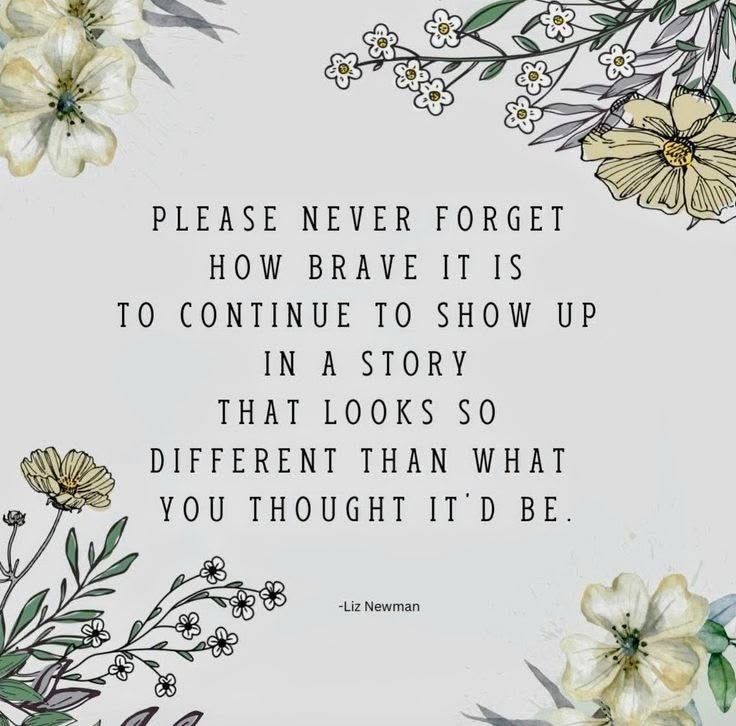
Sometimes the bravest thing we do is keep hoping after heartbreak.
Cassie x

