

Let’s be honest.
There is nothing inherently positive about living with endometriosis or pudendal neuralgia.
The pain is real.
The exhaustion is real.
The frustration is real.
The appointments, procedures, medications, investigations, setbacks and uncertainty are real.
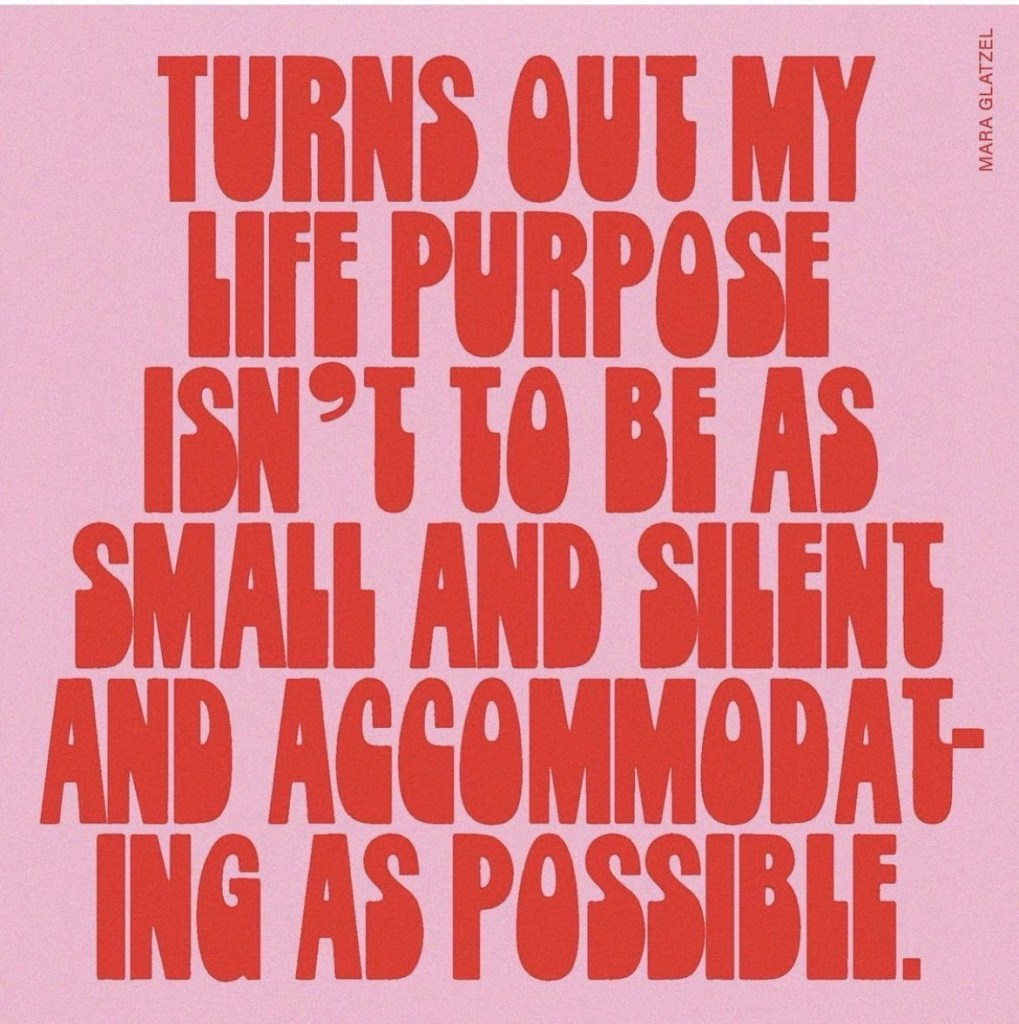
But something I’ve discovered through living with chronic pelvic pain is that the experience can change you in ways you never expected.
Not because suffering is good.
But because when your body forces you to slow down, listen and relearn yourself, you can discover parts of yourself you may never have paid attention to before.
You can learn your body in an entirely different way
Before chronic pain, many of us simply live in our bodies without thinking much about how everything connects.
Then something changes.
You start noticing muscles.
Nerves.
Breathing.
Pelvic tension.
Posture.
Movement.
Bowel habits.
Bladder sensations.
Stress responses.
The relationship between your nervous system and your pain.
You become incredibly aware of things you previously took completely for granted.
And while that awareness can be frustrating, it can also become empowering.

You begin to understand:
“This is my body. I need to learn how to work with it.”
You can relearn movement
Pelvic physiotherapy can be an important part of managing pelvic pain for some people.
Rather than simply pushing through pain, you can learn how to move differently.
You may work on:
Pelvic floor relaxation
Breathing and down-training
Muscle tension
Trigger points
Posture and positioning
Gentle mobility
Movement patterns
Strategies for sitting
Strategies for bowel and bladder function
Gradually rebuilding confidence in movement
Mindfulness
The goal isn’t necessarily to make yourself stronger by forcing your body through more pain.
Sometimes the goal is teaching your body that movement can be safe again.
You can work with a psychologist
Psychological support doesn’t mean your pain is “in your head.”
That’s an incredibly important distinction.
Chronic pain affects your emotions, relationships, sleep, confidence, identity and nervous system.
A psychologist who understands chronic pain can help you develop tools for dealing with the emotional load of living in a body that hurts.
You can learn about:
Pain-related anxiety
Fear of movement
Coping strategies
Stress management
Emotional regulation
Grief around what illness has changed
Boundaries
Self-compassion
Identity outside illness
Managing uncertainty
Getting psychological support isn’t surrendering to your illness.
It’s adding another tool to your toolbox.
You can learn your nervous system
Pudendal neuralgia can make you intensely aware of nerve sensations.
Burning.
Electric sensations.
Stinging.
Pressure.
Shooting pain.
Sensitivity.
It can make you afraid of certain movements or positions.
Learning about the nervous system can help you understand that pain is complicated and complex.
Pain is absolutely real, but the nervous system also plays a role in how pain is processed, amplified and regulated.

That understanding can sometimes replace:
Something is terribly wrong every second I feel this.
with:
My nervous system is reacting. I can learn ways to help regulate it.
That difference can be incredibly powerful.
You can discover your triggers
Over time, you can become your own detective.
You might start noticing patterns around:
Sitting
Walking
Exercise
Bowel movements
Sexual activity
Stress
Poor sleep
Hormonal changes
Certain movements
Muscle tension
Overdoing things
Long periods of inactivity
This isn’t about becoming obsessed with every sensation.
It’s about developing body awareness without fear.
You can learn when to push and when to pause
This is one of the hardest lessons.
Sometimes you need to challenge yourself gently.
Sometimes you genuinely need to rest.
Learning the difference can take time.
You begin to understand that pacing isn’t giving up.
It can actually help you stay involved in the things you love without constantly going from “I’m doing everything” to “I can’t do anything.”
You can build a whole team around yourself
You don’t have to manage pelvic pain with one doctor and one treatment.
You can ask a-lot of questions, investigate.. never give up you deserve a front seat to your life to be involved in all the steps of living with chronic pelvic pain diagnose’s.
Depending on your individual situation, your healthcare team might include:
GP
Gynaecologist
Pelvic health physiotherapist
Pain specialist
Psychologist
Urologist
Colorectal specialist
Specialist pain nurse
Occupational therapist
Other allied-health professionals
Different professionals can look at different pieces of the puzzle, your puzzle.
And sometimes that’s exactly what chronic pelvic pain requires.
You can become your own advocate
You learn to take notes.
Ask questions.
Track symptoms.
Understand your reports.
Speak up when something doesn’t feel right.
Prepare for appointments.
Explain what your pain actually feels like.
And importantly:
You learn that you deserve to be listened to.
You can find new ways to experience pleasure.
When certain activities hurt, you can become creative try different things.
Maybe you discover different ways to exercise.
Different ways to have intimacy.
Different ways to relax.
Different hobbies.
Different positions to be comfortable.
Different environments.
Different ways of connecting with your family.
Your body may have changed.
That doesn’t mean your ability to experience pleasure, connection and joy has disappeared.
Sometimes you simply have to rediscover the pathways to it.
You can build a life around your abilities – not just your limitations
This is a big one.
Instead of constantly asking:
“What can’t I do anymore?”
try asking:
“What can I do today?”
Maybe it’s crafting.
Maybe it’s writing.
Maybe it’s sitting outside with a coffee.
Maybe it’s watching a movie with your children.
Maybe it’s a gentle walk.
Maybe it’s creating something beautiful.
Maybe it’s resting without guilt.
A meaningful life doesn’t have to look like everyone else’s.
You can learn to trust your body again
This may be one of the hardest journeys of all.
When your body has hurt you repeatedly, you can become frightened of it.
You start wondering:
“What if it happens again?”
“What if I make it worse?”
“What if this sensation means something terrible?”
Relearning your body can mean slowly developing a different relationship with those sensations.
Not ignoring them.
Not dismissing them.
But learning to observe them without automatically panicking.
That can take time and professional support.
And it is absolutely okay if it takes time.
Things you can do to help yourself
Everyone’s treatment needs to be individual, but there are areas worth exploring with appropriate healthcare professionals:
Physical
Pelvic health physiotherapy
Gentle mobility
Appropriate strengthening
Relaxation and pelvic floor down-training
Pacing and activity modification
Heat or other comfort measures if they help you
Finding supportive positions for sitting and sleeping
Learning safe movement strategies
Psychological
Chronic pain psychology
Cognitive behavioural strategies
Acceptance and commitment approaches
Mindfulness
Breathing and nervous-system regulation
Working through medical trauma
Learning coping strategies for flare days
Building an identity beyond illness
Medical
Regular GP support
Specialist assessment
Appropriate endometriosis management
Pain-management review
Assessment of bladder and bowel symptoms when needed
Reviewing medications with your treating clinicians
Investigating new or changing symptoms rather than automatically assuming they’re “just the pain”
Lifestyle
Pacing rather than boom-and-bust activity
Prioritising sleep
Eating regularly and in ways that work for your body
Staying hydrated
Making space for enjoyable activities
Maintaining social connection
Planning recovery time around bigger activities
Learning what your individual triggers are
Most importantly: relearn yourself
You may have to become a student of your own body.
Not because your body is broken.
Because you’ve been forced to understand it in a depth that many people never have to.
Learn your muscles.
Learn your breathing.
Learn your nervous system.
Learn your limits.
Learn your strengths.
Learn what makes you feel safe.
Learn what brings you joy.
Learn how to move.
Learn how to rest.
Learn how to advocate for yourself.
Learn how to live alongside your symptoms without allowing them to become your entire identity.
And perhaps the most beautiful thing you can learn is this:
Your body can be complicated without being your enemy.
You can have endometriosis.
You can have pudendal neuralgia.
You can live with chronic pain.
And you can still have a life filled with laughter, intimacy, creativity, adventure, connection and meaning.
You don’t have to love the illness.
You don’t have to pretend the pain is a blessing.
You don’t even have to be positive every day.
You just have to keep discovering ways to make your life bigger than your pain.
Because there is still a whole person in there.
And she deserves to be experienced and to live fully.
Cassie x

