

There were days I survived purely on grit, pain medication, heat packs, and the determination not to fall apart in front of the people I love.
There were days my body felt like it was at war with me more lately than ever.
And there were days I questioned myself more than I questioned the pain.
Living with bladder and bowel endometriosis combined with pudendal neuralgia and myofascial trigger points (chronic pelvic pain) changes you. Not just physically but emotionally, mentally, and spiritually too. It reshapes how you move through life, how you show up for people, and sometimes how you see yourself.
For a long time, I carried guilt about the things I had to do just to get through.
But recently, something shifted inside me.
I realised something important.
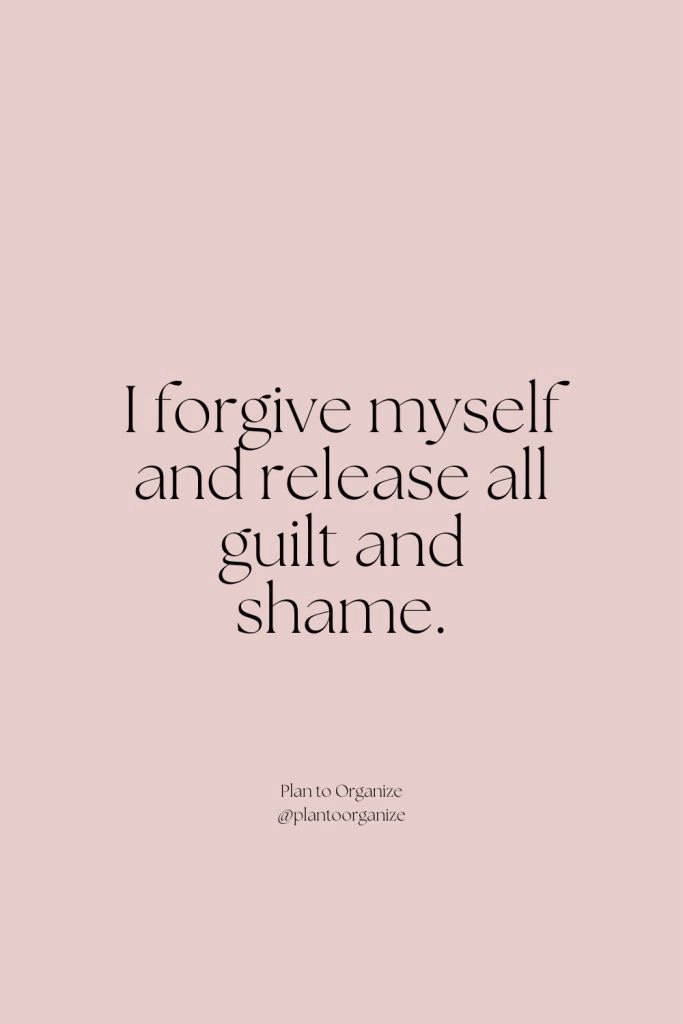
I forgive myself.
Chronic Pain Puts You Into Survival Mode
If you’ve never lived with chronic pelvic pain, it’s hard to explain what survival mode really feels like…
It’s waking up already exhausted or in pain
It’s trying to function while your body is sending constant signals that something is wrong.
It’s pretending you’re okay when you are absolutely not okay.
Some days the pain is manageable. Other days it takes over everything your mood, your energy, your patience, your ability to concentrate.
And when those severe flares hit, your world shrinks down to one goal:
Just get through today.
Not thrive.
Not achieve.
Just survive.
And when you live like that long enough, you start judging yourself for it.
The Guilt That Comes With Chronic Illness
One of the hardest parts of living with endometriosis or any pelvic disease/illness isn’t always the physical pain.
It’s the emotional weight that comes with it.
The guilt of cancelling plans.
The guilt of not having the same energy you once had.
The guilt of needing rest when the world expects productivity.
The guilt of relying on treatments, medications, or coping mechanisms just to function.
And sometimes if we’re honest, we start blaming ourselves for things that were never within our control.
I know I did.
I questioned whether I was strong enough.
I wondered if I should have handled certain moments differently.
I worried about how I looked to other people.
But pain changes people. Not because they are weak, but because they have been pushed beyond what most people ever experience.
The Things No One Sees
What people often don’t see about chronic pelvic pain is the effort it takes to look “normal.”
They don’t see the nights you barely sleep because of pain.
They don’t see the tears you hold back so your children don’t worry.
They don’t see the way you push through events, conversations, and responsibilities while your body is screaming for rest.
They don’t see the mental battle that comes with being dismissed, misunderstood, or told to “just manage it.”
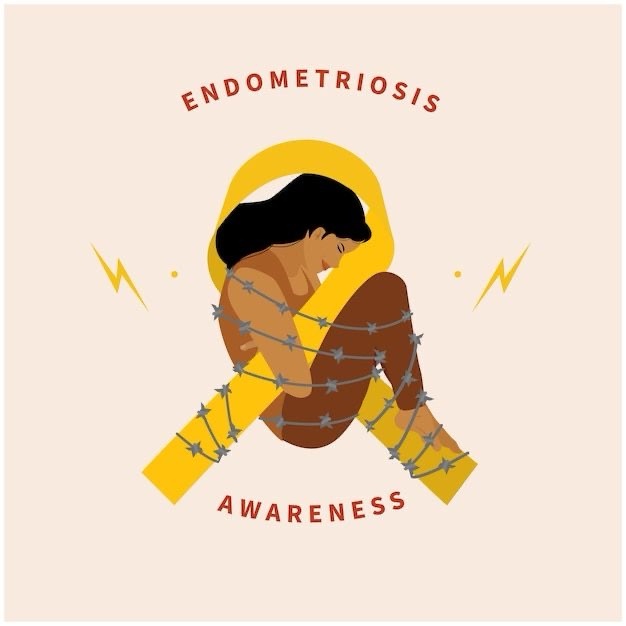
Living with endometriosis often means learning how to function in a body that doesn’t always cooperate with your life.
And that takes a strength most people never realise.
I Did What I Needed to Do to Survive
This is the part that took me a long time to accept.
There were moments during my journey with chronic pelvic pain where I was simply doing whatever I could to get through the pain.
Not perfectly.
Not gracefully.
But honestly.
And instead of seeing that as something to forgive, I started to see it as something to respect.
Because surviving chronic illness requires resilience that people rarely talk about.
It requires showing up when your mind and body is struggling.
It requires adapting constantly.
It requires emotional strength that builds quietly over time.
And if you’ve lived through years of this kind of pain, then you know exactly what I mean.
Learning to Be Kinder to Myself
For a long time, I was harder on myself than anyone else ever was.
I expected myself to keep going like nothing was wrong.
I expected my body to perform the same way it used to.
I expected myself to keep up with life even when my health was demanding something different.
But chronic illness teaches you something eventually:
You cannot fight your body forever.
At some point, you have to learn to work with it.
And part of that process is learning compassion for yourself.
Not the kind people talk about lightly, but the deep kind that comes after years of struggle.
The kind that says:
I’ve been through a lot, and that matters.
To Anyone Living With Endometriosis or Chronic Pelvic Pain conditions
If you’re reading this because you’re living with this condition too, I want to say something I wish someone had said to me earlier:
You are doing better than you think.
Living with chronic pelvic pain is not easy. It affects every part of your life your relationships, your energy, your mental health, your identity.
But the fact that you are still here, still trying, still navigating it day by day…
That says a lot about your strength.
Even on the days you feel broken.
My Personal Turning Point
Recently, I had a moment where I realised how much pressure I had been carrying.
Pressure to cope better.
Pressure to appear strong.
Pressure to keep everything together.
And I suddenly thought:
What if I stopped blaming myself for how I survived the hardest chapters of my life?
What if those moments weren’t something to regret, but something to honour?
That was the moment forgiveness started.
Not all at once.
But enough to change how I speak to myself.
Forgiveness Is Part of Healing
Healing from chronic illness isn’t just about treatments, surgeries, or medications.
Sometimes it’s about releasing the emotional weight we’ve carried alongside the pain.
The self-judgment.
The guilt.
The expectations we placed on ourselves while trying to survive something incredibly difficult.
Forgiving myself doesn’t mean the journey was easy.
It means I’m choosing not to punish myself for how I endured it.
And that has been one of the most powerful shifts in my healing.
A Promise I’m Making to Myself
From now on, I want to move forward differently.
With more patience for my body.
With more understanding for the hard days.
With less shame about the ways I’ve had to cope.
Because living with endometriosis has already taken enough.
I don’t want it to take my self-compassion too.
So today, I’m reminding myself of something important:
I survived something incredibly hard.
And that is not something to feel guilty about.
It’s something to be proud of.
To the Women Quietly Living With This Pain
If you’re reading this while lying on a heat pack…
If you’re reading this during a flare…
If you’re reading this after another day of pushing through when your body begged you to stop…
I see you.
Living with Endometriosis can feel incredibly isolating, especially when the world doesn’t always understand what this pain actually takes from you.
But there are so many of us walking this path quietly.
Women who show up for their families while hurting.
Women who hold jobs, homes, and responsibilities together through flares.
Women who are exhausted from fighting to be believed, treated, and understood.
And if no one has told you this lately, I want you to hear it:
You are not weak for struggling with this.
You are not dramatic for feeling overwhelmed by it.
And you are not failing just because your body is going through something incredibly hard.
You are resilient in ways most people will never fully understand.
So if today is heavy, or painful, or one of those days where you feel like you’re barely holding it together, remember this:
You’re not alone in this fight.
There is a whole community of women learning, slowly and bravely, to give themselves the same compassion they give everyone else.
And maybe today, like me, you can start with one simple but powerful sentence:
I forgive myself for what I had to do to survive this.
Cassie x

