

There is a particular kind of hurt that comes from being in invisible pelvic pain like endometriosis, adenomyosis, pudendal neuralgia, myofascial pelvic pain syndrome and other chronic illness – unforeseen by the human eye but felt deeply and then being made to feel like that pain is an exaggeration.
Not because someone outright says, “you’re lying”
But because of the pauses.
The change in tone.
The way the room goes quiet.
The way someone you’re telling goes quiet or somehow changes the subject.
The subtle shift in energy that makes you question yourself or the people you’re talking to about your very “living with this” chronic pelvic pain.
And suddenly, alongside the physical pain you’re already carrying, there’s something else:
Doubt. Shame. Guilt.
I’ve learned that this is one of the most damaging parts of chronic illness, not just the pain itself, but the way it is received by others.
The Pain That Can’t Be Seen
Chronic pain is often invisible. There is no cast. No stitches, no wound to visually see or simple scan result that makes sense to everyone else. Conditions like chronic pelvic pain, endometriosis, nerve pain, inflammation, bladder and bowel dysfunction, muscular damage they don’t announce themselves loudly.
Instead, they live quietly inside the body, day after day.
So when you show up to life still parenting, still working, still creating, still trying, people assume you must be “okay enough.” And when you speak about how bad it actually is, it clashes with the version of you they’ve constructed.
You don’t look like someone who is suffering? Like I haven’t heard that a billion times, my usual reply is Im doing my best to push through.. sometimes I can actually talk about what Im pushing through briefly.. be careful about who gets access to your information about your pain.
So when you say you are, it makes people uncomfortable or unsure what to say. And that discomfort often shows up and feels as though your pain becomes minimised.
“But You Were Fine Yesterday”
One of the hardest things about chronic pain is that it doesn’t follow a neat story arc. It doesn’t fit into a clean and tidy package like
Injury, treatment and recovery.
It goes flare, manage, cope, crash and repeat.
You might have one hour where your pain is tolerable, and the next where your nervous system is screaming and your pelvis is burning in severe pain. To outsiders, that inconsistency looks suspicious.
To you, it’s simply reality.
When someone says, “But you were fine yesterday,” what they often mean is “I don’t understand fluctuating pain, so I’m trying to make sense of it in a way that feels safer to me.”
But what it feels like to the person in pain is: “I don’t believe you.”
The Unspoken Expectation to Endure Quietly
For women working, living busy lives, socialising, mothering, caring for others, woman in relationships there is an unspoken expectation to endure.
To push through.
To minimise.
To carry pain without letting it disrupt anyone else.
Save me from this I always say: I always crave something different than what I live with and that is what keeps me fighting to find another way out the other side of this. I keep myself in check and keeping pushing harder to get results.
So when you speak honestly about your pain, it can feel like you’re breaking an invisible rule and all of a sudden it becomes a vulnerability a type of self awareness most don’t feel surrounding unseen physical pain. You’re no longer being “strong” in the way people are comfortable with and they dont seem to understand why.
Or maybe they do? We all get periods, cramps, heavy pms, heavy emotions from hormones…
Think of it as that but the pain never goes away and can be severe very often or daily. Stemming from cycles, hormones and other added extras endo, adeno, nerve and other physical components or chronic illness.
And that’s when labels start to appear dramatic, overly focused on it, too sensitive.
Not because the pain isn’t real, but because your honesty challenges a system that relies on women staying quiet or not fighting for the right to be heard in a misunderstood misguided system or lack of knowledge. Searching for the right care and management can take years.
The Emotional Cost of Being Doubted
Being invalidated doesn’t just hurt your feelings, It affects your nervous system when your body is already in pain, it’s in a heightened state of alert. Add dismissal to that, and your system learns that it isn’t safe to speak, rest, or ask for help.
So you start to explain yourself too much, downplay symptoms before anyone else can, feel guilty for resting and question your own experience.
You begin to wonder am I actually making this worse by talking about it, am I weak for not coping better? This is not because you are dramatic this is what happens when pain meets disbelief.

You Don’t Need to Convince Everyone
One of the most freeing realisations I’ve had is this, not everyone deserves access to the details of my pain.
Someone somewhere gets it though, we are not alone in our pelvic pain fight! Don’t hide don’t be on the defensive lay your ground work down and concentrate on your pelvic pain journey see how far you have come and congratulate yourself and your success big or small edging closer to the relief you deserve, do it for yourself.
Some people don’t have the capacity to understand chronic illness. Some haven’t lived in a body that doesn’t cooperate. Some are protecting themselves from the reality that pain doesn’t always have a fix. Or that it would never happen to them ever… I believed that to once, but I was dreaming; life isn’t fair like that. But it doesn’t mean the end of my life, I also learnt that the hard way through a lot of reshaping coping technique’s, learning to support myself, holding myself up mentally and emotionally, advocating my needs relentlessly, relearning my own inner strength and getting to know this new version of myself thats living with unseen physical tiers/layers of chronic pelvic pain.
Endometriosis of the bladder and bowel, Pudendal Neuralgia, Myofascial Pelvic Pain Syndrome Trigger points/Nodules.
It involves, urology, gynaecology, gp, pain specialist, physio, chronic pain psychologist, scans, MRIS, procedures and surgeries.
ALOT
Im congratulating myself for all I have achieved to get to where I am now and so should you! You’re a fabulous miracle, beautiful woman and doing your best.
Let’s be positive for a moment focus on your truth…
Visualise your happy place
INHALE – 4 Seconds
EXHALE – 7 Seconds and read on!
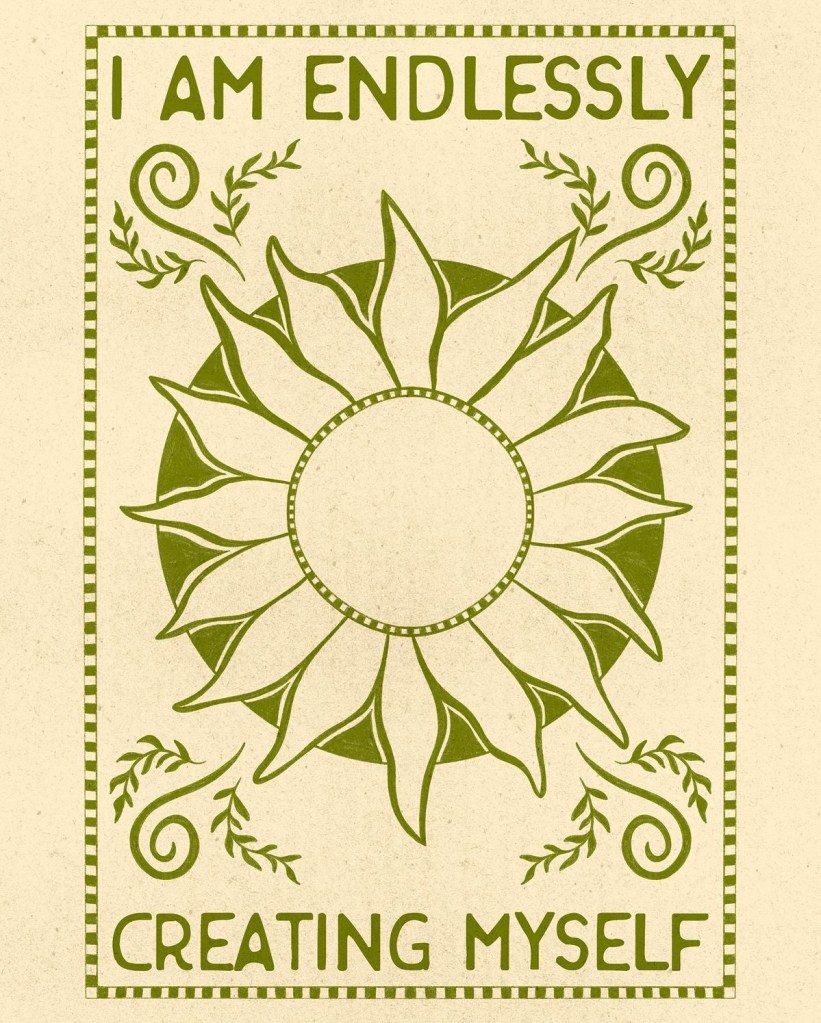
Someone’s inability to hold your truth surrounding unseen chronic pelvic pain does not invalidate it. They just don’t have the right to access it anymore.
You are allowed to choose, who you explain things to, how much you share also when you stop trying to justify your experience.
You don’t owe anyone proof of suffering.
Reframing the Narrative
When someone’s response makes you feel dramatic, try this gentle reframe:
This reaction is about their understanding of pain, not the legitimacy of mine.
Your pain is real even when it is doubted.
Your exhaustion is valid even when it is unseen.
Your need for rest is justified even when it inconveniences others.
To Anyone Reading This Who Feels the Same
If you’ve ever walked away from a conversation feeling smaller…
If you’ve ever apologised for being in pain…
If you’ve ever questioned your own reality because of someone else’s reaction…
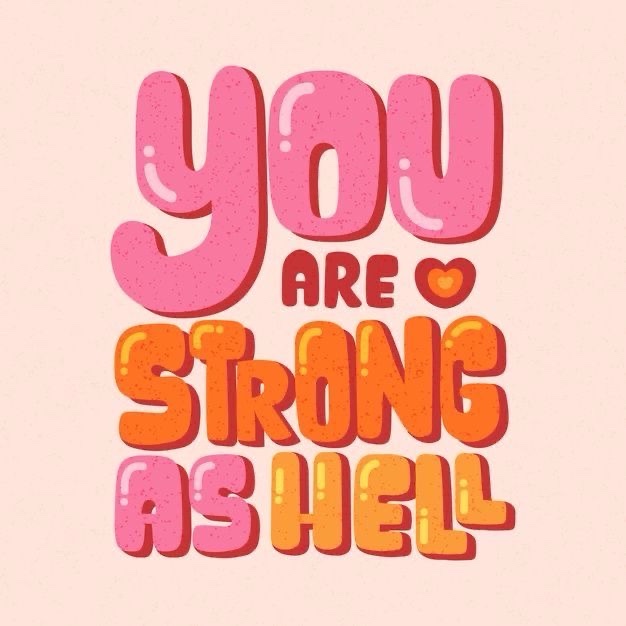
Please hear this clearly:
You are not too much.
You are not exaggerating.
You are responding appropriately to a body that is under constant strain.
The goal is not to be believed by everyone.
The goal is to believe in yourself beautiful and to surround yourself (when possible) with people who don’t require you to prove your pain, who freely give compassion/unconditional love.. a safe space/person with enough common sense to validate your pain for exactly what it is 🩷
Your experience is real.
Even when it’s invisible.
Even when it’s misunderstood.
Even when others can’t sit with it.
And you are allowed to take up space with it.
Its your bubble no-one has the right to pop it, unless you give them permission to do so, your space is valuable and so is your time and energy cause we all know its not in unlimited supply with chronic pain.
Set your ground rules and boundaries and who gets access to you, your pain and your time.
Cassie x
 Welcome Beautiful