

Living in a Constant State of Inflammation: The Hidden Reality of Chronic Pelvic Pain

Living with chronic pelvic pain often means living in a constant state of inflammation my body feels like it’s always fighting itself. For many of us, it’s not just one condition causing the pain; it’s a combination of overlapping syndromes that feed off each other. For me, that means endometriosis, myofascial pelvic pain syndrome, and pudendal neuralgia, three names that have shaped my body, my days, and my identity.
The Never-Ending Flare
Inflammation has a way of becoming part of your every day. Some mornings, I wake up already sore the muscles around my pelvis tight and heavy, the nerves buzzing away, burning, or throbbing for no reason at all. It’s as if my body starts the day in fight mode, long before I’ve had a chance to move.
Even when I’m not “flaring,” I’m never truly pain-free. There’s a baseline ache, a reminder that my body’s systems are still inflamed and overreactive. It’s exhausting. My muscles and my nerves seem to be locked in a predictable cycle surrounding physical activity and pain flares
Endometriosis: The Inflammatory Foundations
Endometriosis is often a cause of inflammation or where it begins it plays a role amongst other conditions. I had my uterus removed due to adenomyosis (ovaries left) – I had adenomyosis for sometime before it was diagnosed via Laparoscopic Diagnostic Surgery and still I received a diagnosis of endometriosis within a year of my hysterectomy another year later I had endometriosis removed. Its reoccurring causing inflammation it creates irritation, adhesions, and inflammation throughout the pelvis and lower abdomen. Sometimes that feeling hits and you intuitively know endometriosis is prominent especially during a monthly cycle.
For many of us, endo is such a tricky condition, Im proof I wasn’t even getting my period due to my hysterectomy but my ovaries were still functioning and I still got diagnosed with endo. It’s an inflammatory disease that can affect the gut, bladder, bowel, nerves, and even our immune system. The inflammation it causes can also set off surrounding muscles, triggering pelvic floor tension and spasms. Over time, that muscle tightness can lead to myofascial pelvic pain which is a diagnosis I have been given roughly two years ago and even nerve pain – pudendal neuralgia.
Myofascial Pelvic Pain: The Muscle’s Reaction
When inflammation lingers, muscles begin to guard and protect the pelvic floor, a small group of deep muscles often clenches in response to pain. It’s our body’s natural reaction to injury, but in chronic pain, that protective response doesn’t stop.
Over time, these muscles can develop trigger points, or knots that refer pain deep into the pelvis, rectum, vagina, hips, and thighs also making intimacy painful and feelings of inflammation after the act. This is myofascial pelvic pain, and it can feel like sitting on bruises or being pulled inward by tight bands of muscle. It adds another layer to the pain, one that’s mechanical and reactive.
When the inflammation from endo meets the muscle tension from myofascial pain, it becomes a perfect storm, an endless feedback loop that fuels itself.
Pudendal Neuralgia: When the Nerves Join In
Then there’s the pudendal nerve, the main sensory nerve of the pelvis. It runs from the sacrum through tight spaces between muscles and ligaments, exactly where inflammation and muscle tension love to settle.
When that nerve becomes irritated or compressed, the pain changes character completely. It can burn, sting, or feel electric sometimes shooting into the vagina, rectum, or perineum. Sitting becomes unbearable. Even tight pants, shorts and shirts can hurt.
This is pudendal neuralgia, and for many of us, it’s the final piece of a complex pain puzzle. The inflammation from endometriosis and tension from myofascial dysfunction both feed into it, creating a cycle that’s incredibly difficult to break.

The Emotional and Physical Toll
Constant inflammation doesn’t just affect the body it wears down the mind. The fatigue that comes with it is relentless. It’s not just being tired, it’s feeling like your energy is being drained at a cellular level. You could have a reasonable good day busy and active then suffer for it the next day it is draining and a cycle I live with but never wanted.
Living in pain every day changes how you move, how you think, and how you relate to others. You start planning life around flares, appointments, and rest days. You grieve the body you used to have the one that didn’t ache just from sitting or standing too long.
And because inflammation is invisible, many people don’t understand why you can’t just “push through.” You learn to mask it, to smile while your body burns from the inside out. Unintentionally tensing yourself even more trying to act fine.. it’s tough mentally and physically nearly bewildering affecting your thoughts and feelings sadly. Just trying to be okay act fine in situations you’re not. A-lot of dismissive doctors will put it down to the usual suspects so keep advocating for yourself keep pushing for answers.
Breaking the Inflammatory Cycle
While there isn’t one cure, there are ways to calm the storm.
For many of us, it’s a combination of Targeted physiotherapy to release tight muscles and reduce pressure on the pudendal nerve.
Nerve blocks or steroid injections to calm inflamed tissue – I can vouch for this as I have myofascial/pudendal nerve blocks every six months it can last for up to four to five months it depends on the individuals disposition to the block.
Anti-inflammatory medications and supplements that can help reduce systemic inflammation.
Gentle movement and stretching to keep the body from freezing up.
Dietary changes that reduce inflammatory triggers (like sugar, processed foods, and high histamine foods).
Rest and pacing, even when the world tells you to do more.
The goal isn’t perfection — it’s balance. Learning to listen to your body, knowing when to push and when to rest, becomes an act of self-preservation.
You Are Not Alone
If you’re living in this cycle of constant inflammation, overlapping pain, endless fatigue with one or more of these symptoms or different diagnosis’s to my own, you are not weak.
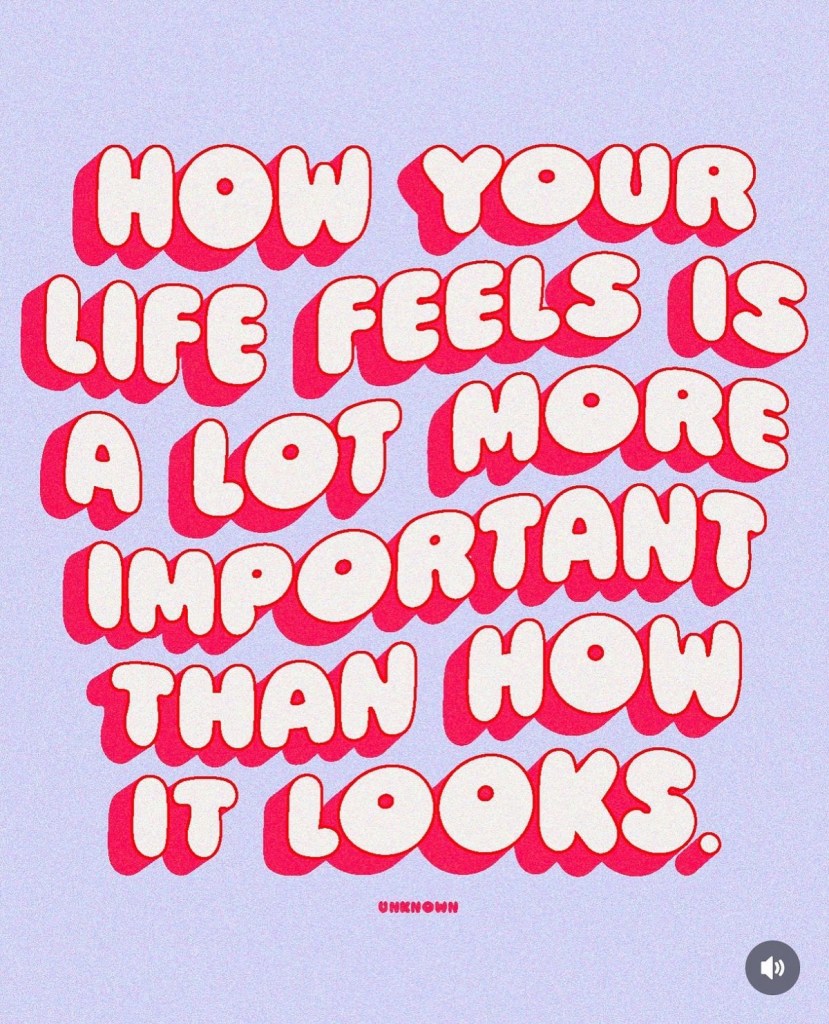
You’re surviving something incredibly complex. Your pain is real, even when it’s invisible.
Chronic pelvic pain isn’t “just period pain.” Or for women who have had a hysterectomy monthly cycle pain without the period. It’s a full-body condition, involving the immune system, nerves, muscles, and mind. And the more we talk about it, the more understanding and compassion we can build.
You deserve care that sees the full picture not just a single symptom.
Cassie xo
 Welcome Beautiful